Why Your Restaurant Brand Needs More Than a Logo: The Full Identity Checklist from a restaurant branding agency!
Somewhere in India right now, a well-reviewed restaurant is running a “flat 30% off, this weekend only” promotion.
The food is good. The chef is proud of it. The owner is not sleeping well.
The problem is almost never the food. It’s almost always the brand, specifically, the version of branding that stops at a logo and calls it done.
A logo is a name tag. Brand identity is the entire personality behind it. Let’s deep dive into it!
What Is Restaurant Brand Identity, Actually?
Restaurant brand identity is the complete system of signals, visual, verbal, sensory and experiential, that tells a customer who you are before they taste a single thing.
It includes what they see: logo, colours, typography, packaging and menu layout. What they hear: the music, the tone your staff uses, the language on your Instagram. What they feel: the weight of the menu in their hand, the texture of the bill sleeve, whether the bathroom smells like the brand or like an afterthought. And increasingly, in India’s restaurant market, it includes what they screenshot.
India’s Restaurant Market Is Booming. Which Makes It Brutal.
India now has over 500,000 restaurants operating in 2025, established chains, innovative local eateries, food trucks and cloud kitchens. The Indian food services market is projected to become the third largest in the world by 2028, overtaking Japan.
And yet, the industry carries a 73% failure rate. Most of those closures weren’t serving bad food. They were serving forgettable brands.
73% isn’t a statistic. It’s a warning label!
In a market where a customer can choose between hundreds of options on Zomato in the time it takes to read a menu, being merely good is a slow exit. Urban Indians currently dine out around five times a month, a number expected to rise to seven or eight. More frequency means more choice fatigue. Choice fatigue gets solved by the brand people remember, not the one with the best Tuesday promotion.
Meanwhile, 72% of diners turn to social media for food inspiration and 80–85% of Indian diners share food experiences online. Before anyone has tasted anything, your restaurant is already being judged, shared, or dismissed. The lighting in your corner, the typography on your specials board, the way your packaging photographs: these are brand decisions. Treat them like décor decisions and you’ve already lost half the room.
The Full Restaurant Brand Identity Checklist
1. Brand Positioning: The Foundation Everyone Skips
Before a designer is briefed, this question needs a real answer: What is this restaurant and for whom?
Not “a restaurant that serves great food”, every restaurant believes that. Specific positioning sounds like: “A neighbourhood café in Koramangala for remote workers who want great filter coffee and food that doesn’t interrupt their flow.” Or: “A family restaurant in South Delhi that makes Mughlai cuisine feel like an occasion again, without the chandelier-and-tablecloth theatre.”
Vague positioning produces vague brands. Vague brands disappear into 500,000 options.
“We serve everyone” is the most expensive statement in F&B. It means your marketing has no address, your design has no soul and your brand has no fans, just occasional customers. Everything else on this checklist flows from getting this right first.
2. The Logo System (Not Just the Logo)
You need a logo. But a logo is not a brand identity; it’s the tip of a very large iceberg.
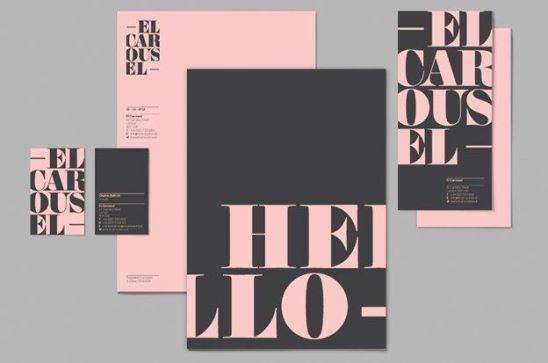
A functional restaurant logo system includes the primary logo, a simplified version for small formats (app icons, packaging stickers), a wordmark-only version and a monogram or symbol that works independently. Your logo will live on a 4-foot signboard and a 1.5cm Swiggy thumbnail; if it’s only designed for one, it fails at the other.
Third Wave Coffee’s logomark works on a 12-foot café hoarding and a tiny cup sticker with equal clarity. That’s not luck. That’s a system.
Check: Does your logo work in black and white? At thumbnail size? On dark backgrounds? On kraft paper? If the answer to any of those is “I’ll check,” it’s probably no.
3. Colour & Typography: The Mood Before the Menu
Colour is not a preference, it’s a psychological signal. Warm reds and oranges trigger urgency and appetite. Muted sage greens and off-whites signal calm and provenance. The mistake isn’t using those palettes; it’s borrowing the look without understanding why it works, which produces the aesthetic without the meaning.
Typography carries equal weight. Serifs say heritage and tradition. Geometric sans-serifs say modernity. Handwritten scripts say warmth and craft. Using four typefaces because you couldn’t decide says all of those things simultaneously, which is the visual equivalent of ordering everything on the menu.
Lock down two typefaces. Define a palette of 3–4 colours. Write it down. Use it everywhere. Including the menu.
4. The Menu: Your Most Underrated Brand Touchpoint
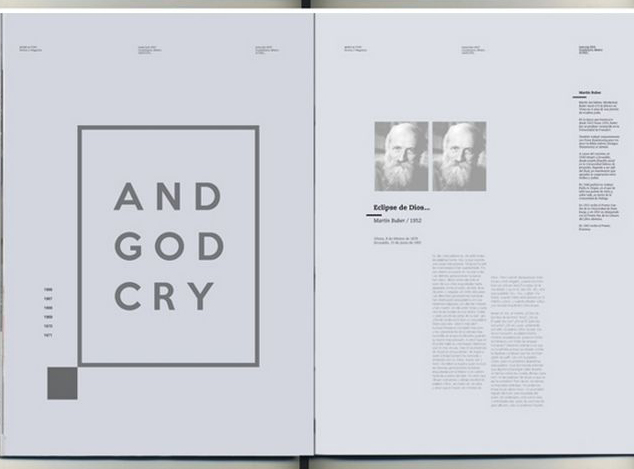
The menu is the one piece of collateral every customer holds and reads carefully. Most restaurants design it like a spreadsheet.
A well-branded menu does three things: sells food, reinforces personality and guides the experience. The language matters as much as the layout. “Pan-Tossed Seasonal Vegetables” and “Smoky Wok Greens, Local Market Morning” describe the same dish, only one makes you want to order it and only one sounds like it belongs to the same brand as the rest of your identity.
In India, where the menu is often the first thing a first-time customer photographs for their family WhatsApp group, menu design is marketing. Paper weight, typography, how dishes are grouped, what section headers say, all brand signals. A fine-dining restaurant with a laminated menu sends a specific, unfortunate message. Treat the menu accordingly.
5. Interior & Sensory Identity
Nearly 60% of Indian diners prioritise experience alongside food. Ambience alone influences the decision for about half of urban diners. Your interior is not a backdrop; it’s the physical manifestation of your positioning.
A restaurant celebrating regional Rajasthani cuisine should feel like a confident love letter to that region, not generic ethnic décor from a wholesale market. Every element, lighting temperature, music curation, scent and the weight of the cutlery communicates brand register before the food arrives.
Instagrammable interiors aren’t a trend. They’re the physical expression of a brand that understands its audience. Spaces designed with this intent drive up to 60% more social media engagement, which in 2025 is not vanity. It’s occupancy.
6. Brand Voice: How Your Restaurant Speaks
Your brand has a voice, whether you’ve designed it or not. The question is whether it’s consistent or sounds like four different people wrote it, because four different people did.
Brand voice is the tone and language used everywhere: menu descriptions, Instagram captions, how staff introduce specials, how you respond to a 2-star Google review. The most common failure in Indian F&B: the restaurant that sounds like a luxury brand on the menu, a college student on Instagram and a corporate HR department in its review responses.
Customers feel that inconsistency as distrust. They just can’t name it.
Create a simple “we say / we don’t say” guide. It doesn’t need to be 40 pages. It needs to answer three things: What three words describe how we sound? What do we never say? How do we handle a public complaint?
7. Digital Identity: Your Second Storefront
30% of people avoid a restaurant if its social media looks outdated. Your Zomato page, Instagram grid and Google Business Profile are the first thing 72% of potential customers see before deciding whether you’re worth the trip.
The checklist is deceptively simple: Does your Instagram look like a coherent brand or a random food gallery? Does your Zomato listing match your physical signage? Does your Google profile have correct hours, recent photos and responses to reviews? Restaurants with active social media strategies reported a 9.9% average increase in direct revenue in 2024. That’s a business outcome, not a vanity metric.
8. Packaging & Delivery Identity
70% of restaurant revenue in Tier 1 Indian cities now comes from online ordering. For the majority of your customers, the delivery experience is the brand experience.
A Zomato order arriving in a plain brown box, even with excellent food, communicates nothing. No memory. No story. Nothing to post. Branded delivery packaging is not a luxury. The box, the bag, the insert card, the seal sticker: each is a touchpoint. Collectively, they’re either building your brand or wasting an opportunity that costs as much as the packaging anyway.
9. Staff as Brand Ambassadors
Your staff are your most visible brand touchpoint. The greeting at the door, how a dish is described, how a complaint is handled, these are brand experiences no logo can save if they go wrong.
Staff should know what the brand stands for. They should describe food in language that matches the menu copy. They should know how to handle the table clearly, shooting content, because that table is your unpaid marketing team for the evening. Brand voice training for staff isn’t corporate theatre. It’s the most direct way to make sure the experience matches the promise.
Final Thought
India’s food services market is heading for ₹7.76 lakh crore by 2028. Every cuisine is available. Every format exists. Every price point has ten options. In that environment, the question a customer is unconsciously asking is: which of these feels like it was made for me?
That feeling is not the food. It’s the brand.
The logo is the door. Brand identity is the room behind it. Most restaurants spend their entire budget on the door and wonder why people don’t stay.
Building a complete brand identity isn’t reserved for Starbucks and Smoke House Deli. Thanks to all the restaurant branding agencies, it’s available to every restaurant willing to think past the logo and to work with people who know how to make the thinking visible.
Running a restaurant in India and wondering if your brand is doing enough of the work?
Let’s talk!
FAQs
What is restaurant brand identity?
The full system of visual, verbal and experiential signals that communicate who your restaurant is: the logo, colour, menu design, interior, packaging, social presence and staff communication. Every touchpoint before, during and after a visit.
How is branding different from marketing?
Branding is what your restaurant is. Marketing is how you tell people about it. Strong marketing without strong branding is turning up the volume on a song nobody likes. Get the brand right first.
Does a small café need professional branding?
Especially a small café. Large chains have scale and familiarity doing part of the brand work. An independent café in Pune or Hyderabad, competing against Third Wave, Blue Tokai and a dozen local favourites, needs every touchpoint working. Inconsistent branding is invisible in a market this crowded.
What’s the most common branding mistake in Indian restaurants?
Treating the logo as the finish line. A logo and no brand identity means no voice, no packaging logic, no social coherence, no interior story. The logo is the beginning.
How does restaurant branding affect revenue?
Consistently branded restaurants from a decent restaurant branding agency see up to 23% more revenue than inconsistently branded ones. Strong brand identity also reduces pressure on discounting, because customers who identify with a brand pay for the experience, not just the food.