top


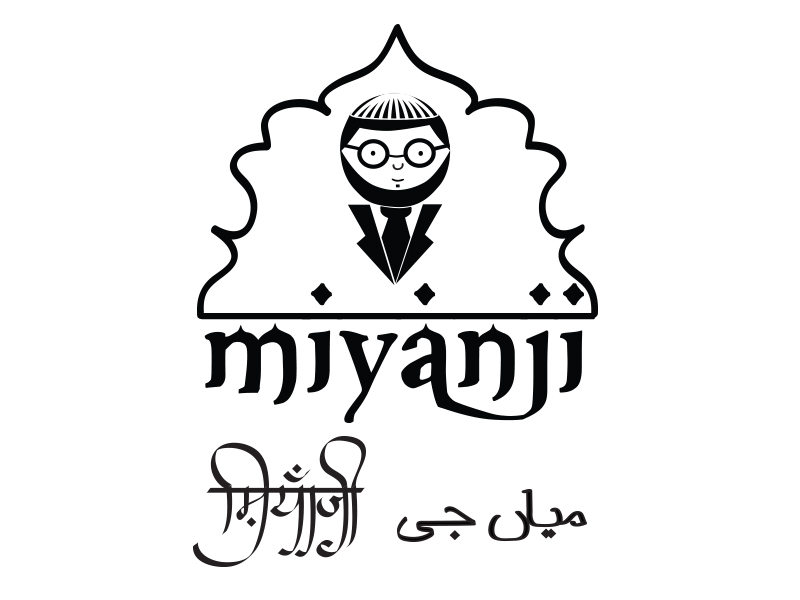
Miyanji, a unit of Angad Food and Hospitality, is a takeaway chain’s first outlet.
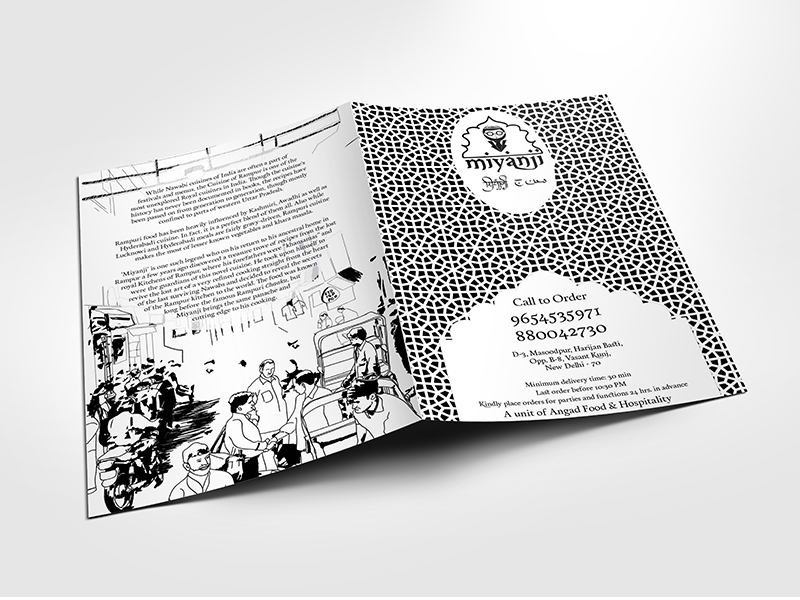
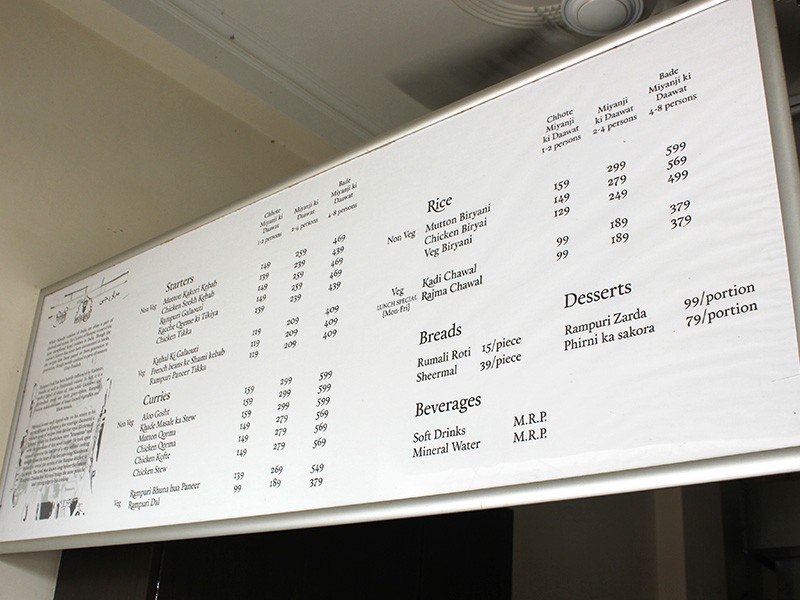
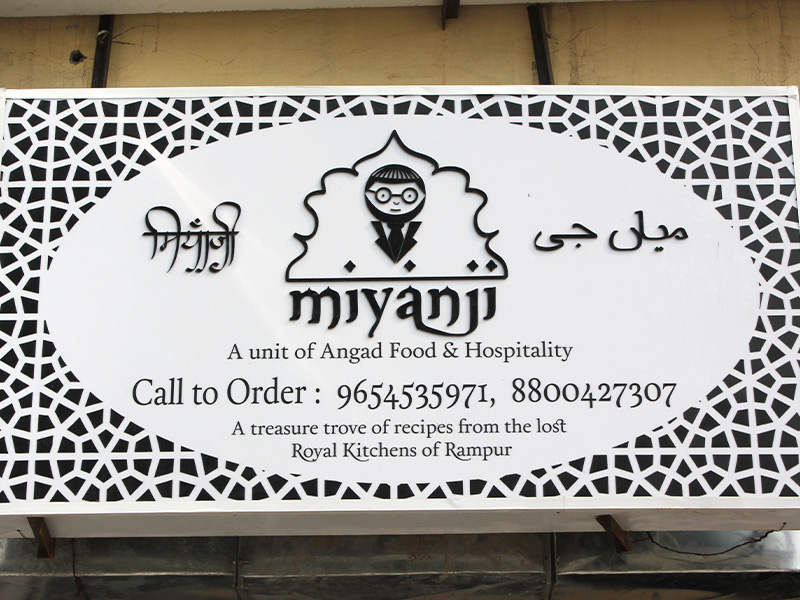
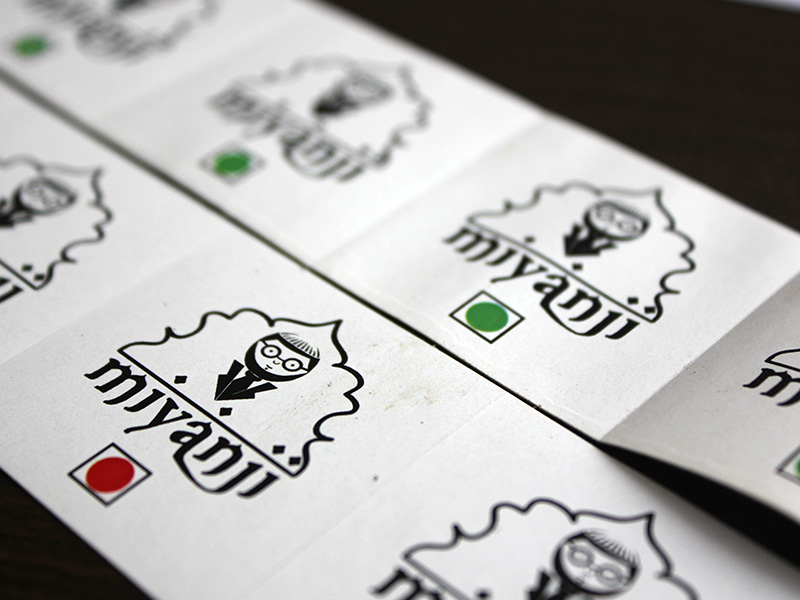
We helped them with a quirky identity and all other collaterals. The design also extended to the outlets, menu, banner, tags, stickers etc. The design carries the classy feel of Rampuri traditional cuisine, which Miyanji specializes in as well as the amalgamation of Old Delhi sensibilities. We stuck to black and white to achieve both class and cost effectiveness.
F&B Identity Design With Cultural Depth
Working on a restaurant brand for a cuisine as specific and rich as Rampuri is a particular kind of design assignment. Rampuri culinary tradition has its own character, distinct from the broad Mughlai category it is often grouped into. It carries the refinement of the Rampur courts and the layered sensibilities of Old Delhi food culture. An identity that failed to acknowledge that specificity would miss the point of the brand entirely. Wishbox Studio’s work for Miyanji was built on that understanding.
The Brief
Miyanji is the first outlet of a takeaway chain under Angad Food and Hospitality. The brand needed a full identity system: logo, collaterals and a design language that could extend across the outlet environment, menu and packaging. As a restaurant branding agency, Wishbox was asked to create an identity that could carry cultural heritage while functioning practically and economically for a first-outlet rollout.
The Design Approach
The creative direction started with a constraint that became an asset. The identity was built in black and white, a decision that was simultaneously strategic and aesthetic. For a first-outlet operation, full-colour print production across all collaterals carries a real cost. Black and white eliminates that cost without eliminating quality. And aesthetically, stripping the palette down to two tones forces the design to earn its impact through form, illustration and typographic confidence alone.
The result is an identity that reads as deliberately chosen rather than budget-driven.
F&B Identity Design for a Cultural Brand
F&B identity design for heritage cuisine brands faces a specific tension: authenticity versus accessibility. An identity that is too historically referential can feel like a museum exhibit. One that is too contemporary can feel like it is embarrassed by its own heritage. The Miyanji identity navigates this by absorbing the visual culture of Old Delhi, the hand-painted signage sensibilities and street typography of the neighbourhood, and filtering them through a contemporary design lens that is knowing without being nostalgic.
The result is a brand that feels genuinely rooted in its culinary and cultural context while remaining visually intelligent enough for a modern urban audience.
Menu and Logo Design That Works Across Every Touchpoint
Menu and logo design for a takeaway operation has to function across a wider range of applications than most restaurant identities face. The Miyanji system extended to the outlet environment, menu boards, counter signage, packaging tags and stickers. For a takeaway brand, every piece of collateral that leaves the outlet with a customer is a brand ambassador on the street. The identity was built to travel as effectively as the food does.
The Quirk That Gives It Character
The brief asked for a quirky identity and that quality was not decorative. Quirkiness in this context means confidence: a brand that knows its food is exceptional and has no need to explain it with earnest messaging or heritage clichés. The Miyanji identity has that confidence. It is self-assured in a way that a brand uncertain about its own character could not pull off.
What This Work Represents
Miyanji demonstrates what Wishbox brings to first-outlet F&B brand builds: the ability to create an identity with genuine cultural depth that also works as a practical design system for a growing business.

Big ambition. Small brand presence?
Let’s design the strategic positioning that attracts the right opportunities.