

Your Interface Is the First Conversation
Before Support Ever Happens.
Make it count.
Every time someone opens your app or lands on your platform, they’re making a silent ask: just help me do the thing I came here to do. UI/UX design is the answer to that ask. And if your answer is confusing, slow, or cold, they leave. Quietly. For something better.
At Wishbox Studio, we design digital interfaces that feel like they were built for the person using them. Not for the stakeholder deck. Not for the demo. For the actual human, in the actual moment.

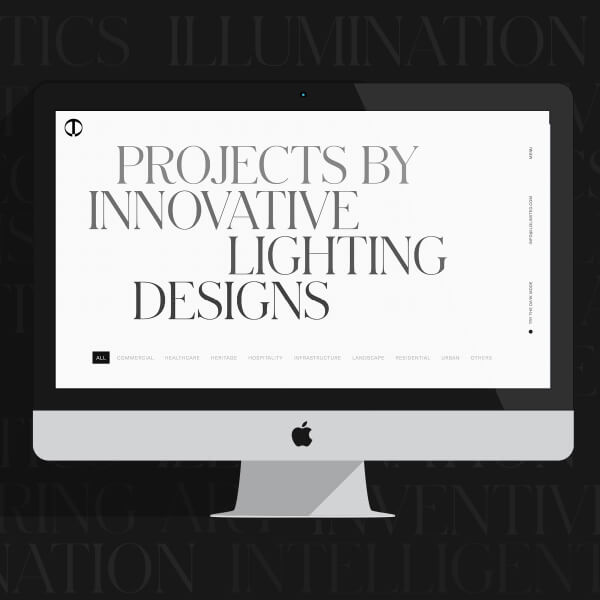
When You Need Wishbox UI/UX Design
Stop patching. Start rebuilding intentionally.
Seven symptoms we see most often — logged the way an audit would find them, before we rebuild the underlying structure.
- Your onboarding flow loses people before they see the value you built.
- Users keep asking for features that already exist; they just can't find them.
- Your mobile experience was never really designed; it was just made to fit.
- The product has grown, but the interface hasn't kept up. It shows.
- Conversion is flat, but you can't pinpoint where or why people drop off.
- Every new feature gets bolted on. Nothing feels coherent anymore.
- You're getting feedback that the product feels "complicated", and you can't disagree.
These aren’t aesthetic problems. They’re structural ones. And the longer they sit, the more they cost.
The Wishbox Interface Design Philosophy
Most digital products suffer from the same problem: they’re designed from the inside out.
The team knows the product too well. They’ve forgotten what it feels like to use it for the first time. So screens pile up, flows get patched and somewhere between sprint 3 and launch, the user gets lost.
We come in from the outside. We map the journey before we design a single screen. We ask the uncomfortable questions: why is this step here, does this page earn its place, what does the user actually need right now and we let those answers shape everything that follows.
Our UI/UX Design Process
Discovery & User Research
Before anything goes on a canvas, we understand who we're designing for. User interviews, behavioural analysis, journey mapping and a clear-eyed audit of what currently exists. We identify where your product earns trust and where it loses it.
Information Architecture & Flow Design
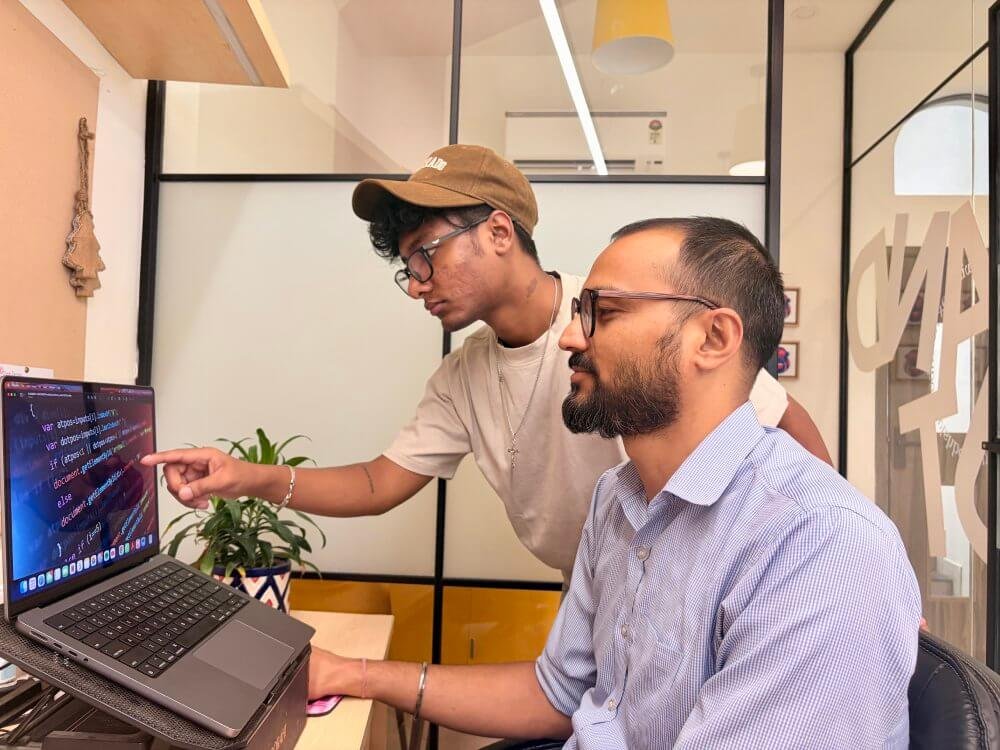
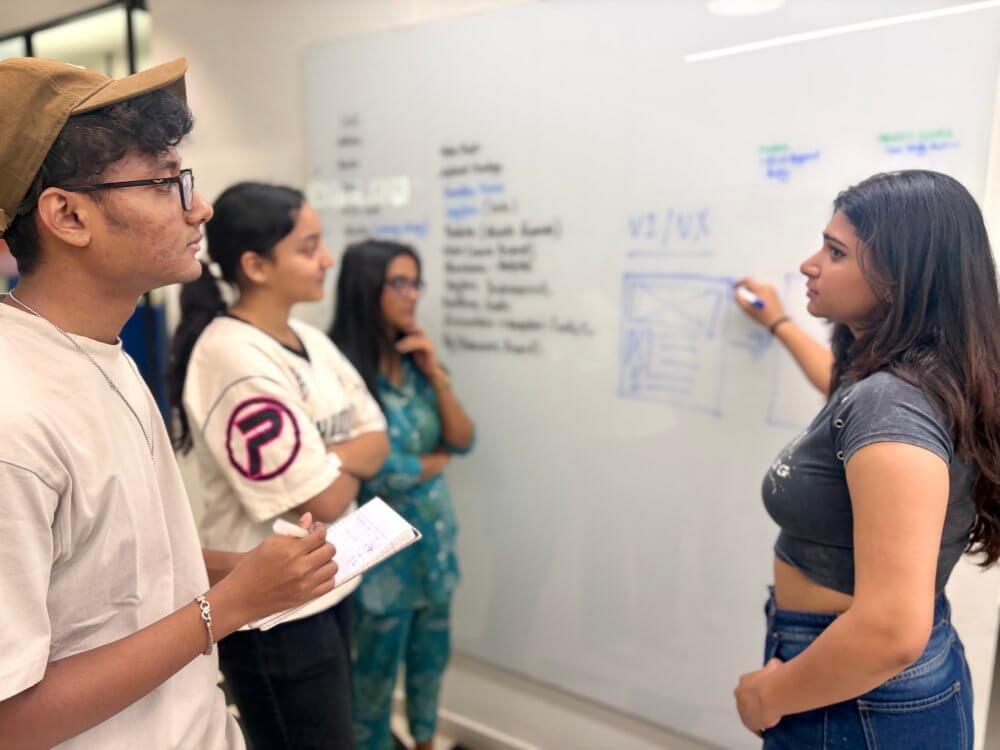
We structure the experience before we style it. Every screen has a job. Every flow has a logic. We decide how users move through your product, where decisions happen and how to make the right action feel obvious.
Interface Design
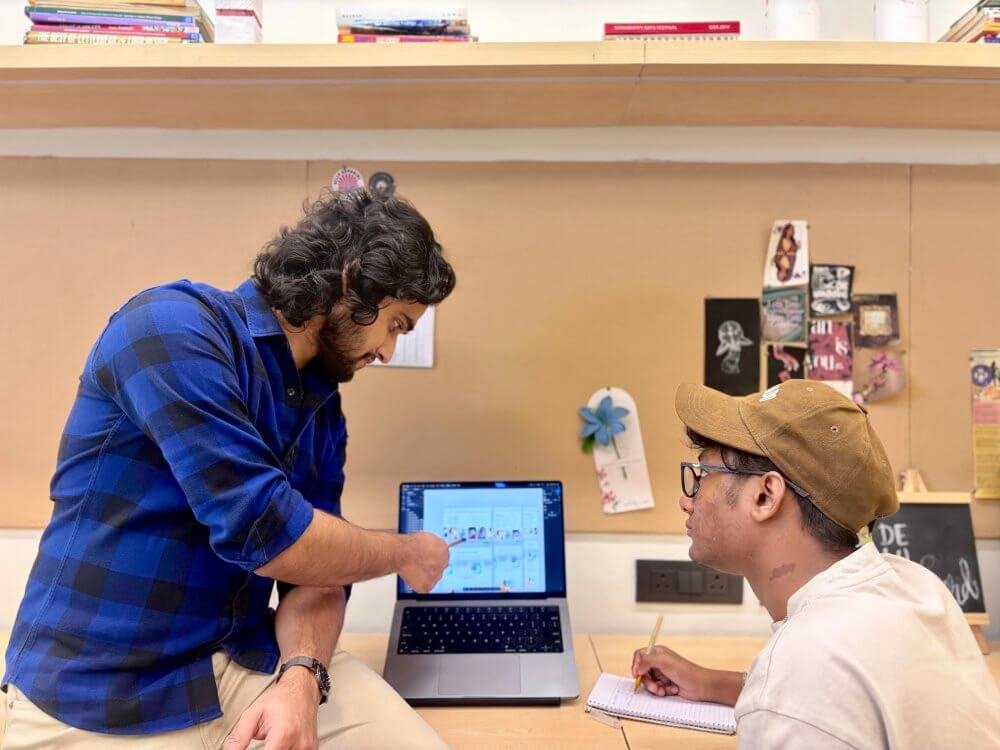
This is where strategy becomes something you can see and touch. Visual hierarchy, component design, interaction patterns, all of it rooted in your brand and calibrated for your user. Designed for screens people actually use, not just portfolio previews.
Prototyping & Testing
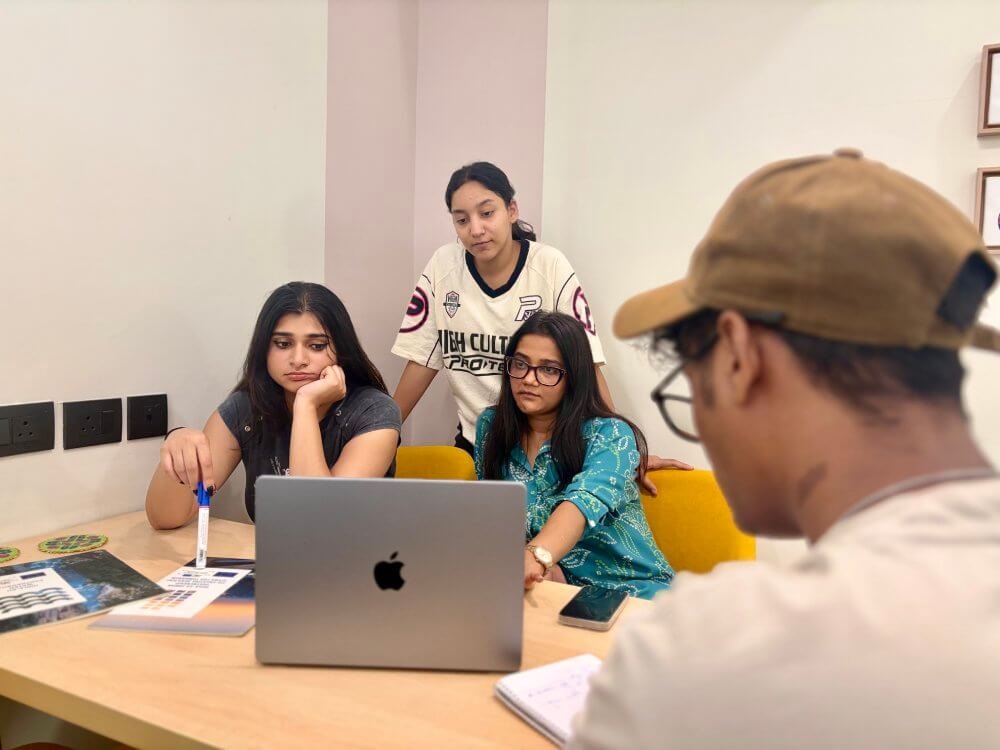
We build interactive prototypes and put them in front of real users before a single line of code is written. What we learn shapes what we refine. It saves time, money and the pain of discovering problems post-launch.
Developer Handoff & Support
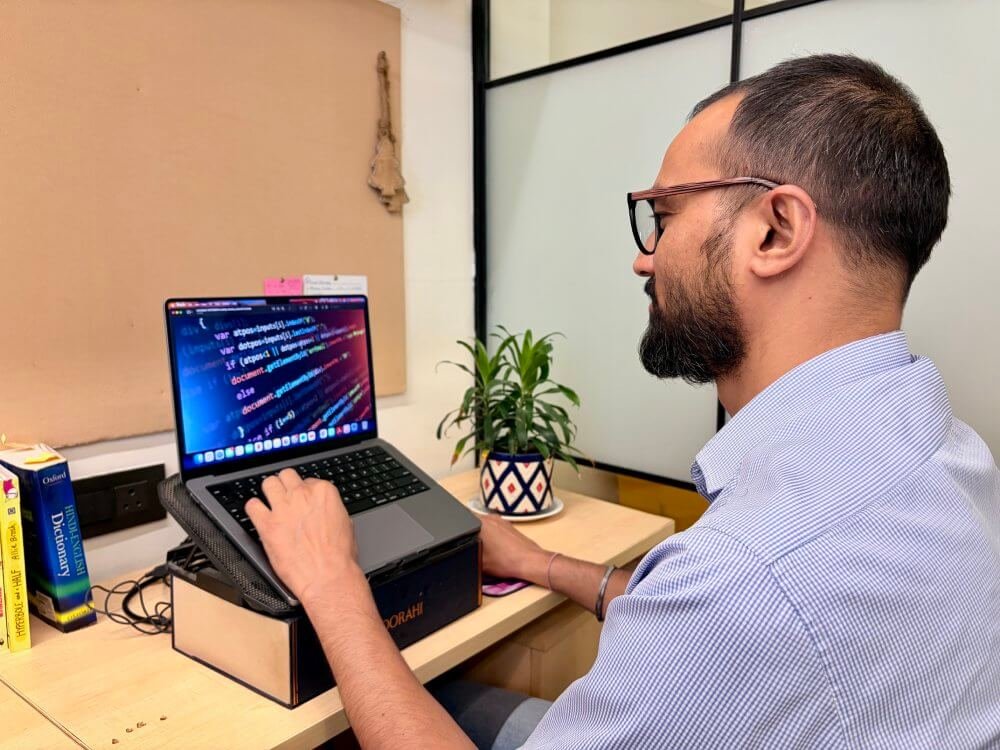
Clean design files. Annotated specs. A design system that makes building easier and faster. We hand over work that developers actually want to open and we stay close during build to make sure intent survives implementation.
Discovery & User Research
Before anything goes on a canvas, we understand who we're designing for. User interviews, behavioural analysis, journey mapping and a clear-eyed audit of what currently exists. We identify where your product earns trust and where it loses it.
Information Architecture & Flow Design
We structure the experience before we style it. Every screen has a job. Every flow has a logic. We decide how users move through your product, where decisions happen and how to make the right action feel obvious.
Interface Design
This is where strategy becomes something you can see and touch. Visual hierarchy, component design, interaction patterns, all of it rooted in your brand and calibrated for your user. Designed for screens people actually use, not just portfolio previews.
Prototyping & Testing
We build interactive prototypes and put them in front of real users before a single line of code is written. What we learn shapes what we refine. It saves time, money and the pain of discovering problems post-launch.
Developer Handoff & Support
Clean design files. Annotated specs. A design system that makes building easier and faster. We hand over work that developers actually want to open and we stay close during build to make sure intent survives implementation.
What Makes Our UI/UX Work Different
01
Built around behaviour, not assumption
Every decision is grounded in how people actually think and move. We use research, not intuition, to earn the design choices we make.
02
Honest about hierarchy
We push back when too many things compete for attention. Good interface design is largely about restraint, knowing what to say and knowing what to leave out.
03
Designed to scale
We build design systems, not one-off screens. When your product grows, your interface grows with it, without losing consistency.
04
Friction as a diagnostic
Every point of hesitation in a user flow is information. We treat friction not as an annoyance to hide but as a signal to investigate and resolve.
05
Brand-coherent from pixel to flow
Your interface is a brand touchpoint. We make sure it feels like you, not like a template with your logo on it.
06
Designed for decisions, not decoration
Beautiful interfaces mean little if they don’t help people move forward. Every interaction is designed to reduce cognitive load, guide decisions naturally and make the next step feel obvious.
What We Offer
Interfaces designed to perform, not just to impress.
Product UI/UX Design
End-to-end design for apps and platforms, from concept through to a production-ready system.
SaaS & Dashboard Design
Complex functionality made navigable. Data-heavy products made legible.
Mobile App Design
Native-feeling iOS and Android interfaces, designed for how people actually hold their phones.
UX Audits
A structured review of your existing product, what’s working, what’s broken and what to fix first.
Design Systems
Component libraries and documentation that give your team a shared language and your product a consistent foundation.
UI/UX Redesign
When growth has outrun your interface, we help you catch up, strategically, not cosmetically.
We also offer accessibility reviews, user testing facilitation and conversion-focused UX consultations for teams that need a sharp outside perspective.
Frequently Asked Questions
When is the right time to invest in UI/UX design?
Honestly, earlier than most teams do. If you’re still validating, lightweight UX thinking costs very little and saves enormously. If you’ve already launched and something feels off, a rising drop-off rate, flat engagement, confused user feedback, that’s the signal. Don’t wait for the numbers to get worse.
We already have a designer. Why would we need you?
An in-house designer is deeply invested in your product, which is valuable, but it also means they’ve stopped seeing it fresh. We bring an outside perspective, structured methodology and the kind of honest friction that in-house teams often can’t give each other.
What's the difference between a UI refresh and a UX redesign?
A UI refresh changes how something looks. A UX redesign changes how it works. One is a coat of paint; the other is examining whether the rooms are in the right places. We’ll tell you which you need after an audit and we won’t recommend the harder work unless it genuinely earns its investment.
Do you work with early-stage products or only mature ones?
Both. Early-stage products benefit enormously from getting the foundations right, it’s far cheaper to design a good flow than to re-engineer a bad one. Mature products need a different kind of rigour: unlearning what’s been accumulated and making deliberate decisions about what to keep.
How do you measure success?
By the things users feel and the things analytics confirm. Task completion rates. Drop-off reduction. Time-to-value. Support tickets that stop being submitted because the product is self-explanatory now. We set these targets with you at the start.
Will a redesign break what's already working?
Not if it’s done carefully and we are careful. We map what your existing users depend on before we change anything. The goal is never to disorient loyal users; it’s to make the experience clearer for everyone, including them.
Investment & Timeline
UX Audit & Recommendations
A structured review of your existing product with prioritised findings and a clear action plan.
Timeline: 1–2 weeks
Feature or Flow Design
Research-backed UI/UX design for a specific product area, user flow, or new feature.
Timeline: 3–5 weeks
Full Product UI/UX Design
End-to-end interface design including research, architecture, visual design, prototyping and design system.
Timeline: 8–12 weeks
Ongoing Design Partnership
A continuous engagement for teams that want strategic UI/UX support through growth, feature development and iteration.
Timeline: Ongoing
Testimonials
We truly believe great projects thrive when doors to two-way communication open up and everyone pitches in their best effort.
Here’s what some of our valued partners have to say about us.
Blog
An idea has the power to ignite unsupressable fires in the mind. We believe in adding fuel to the fire and seeing where it takes us.
Thoughts. Musings. Hearsay. Relatable and debatable opinons. We basically force everyone in our agency to write a lot.

Signs It’s Time to Rebrand Your Business
Most brands don't die dramatically. They don't go out in a blaze of bad press or a viral customer complaint. They just slowly stop meaning anything to anyone.The logo is still there. The name hasn't changed. The product works fine.
-
Branding Agency vs. Creative Agency in Delhi: What’s the Difference and Which One Does Your Restaurant Actually Needs?
A conversation happens in agency meetings more often than anyone likes to admit. A founder walks in. She’s opening a 60-cover European-inspired restaurant in Shahpur Jat. “We need branding.”The agency nods. Three weeks later, she has a logo, a brand kit

Ready to Build Something People Actually Enjoy Using?
A well-designed interface doesn’t announce itself. It just works and users notice the difference, even when they can’t name it.
They stay longer. They come back. They tell people.
That’s what we build at Wishbox. Experiences that earn the next click