

top

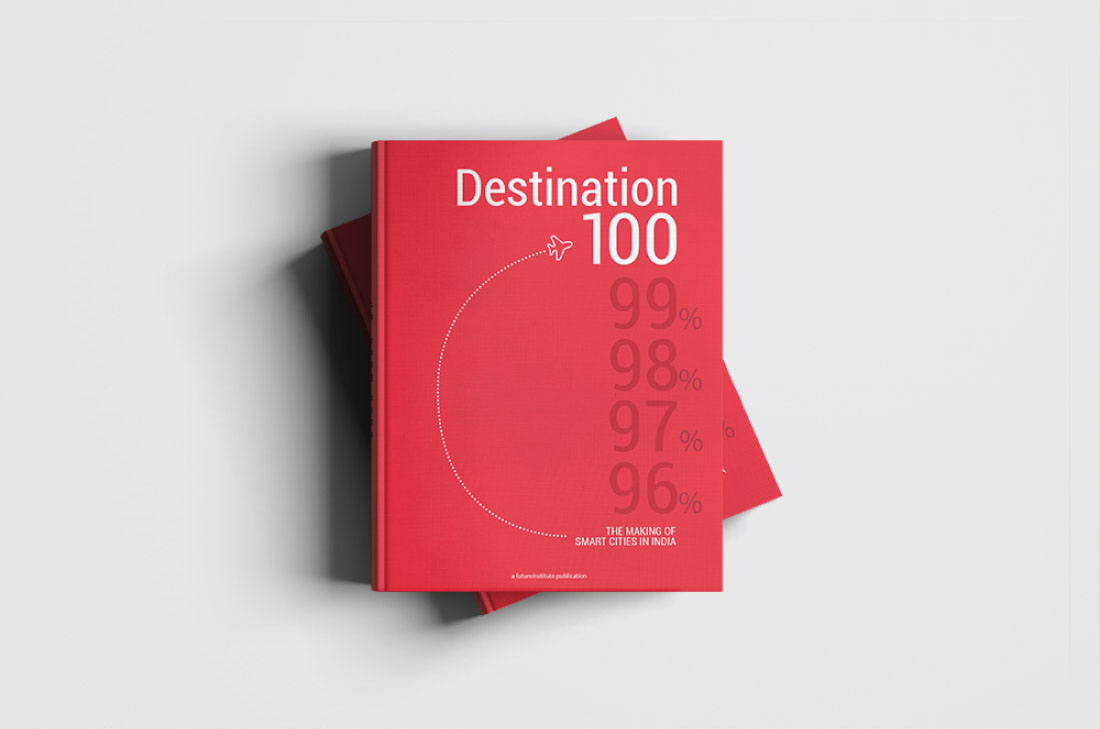


Urban planning is one of the most consequential disciplines of our time. As cities across the developing world grapple with rapid population growth, infrastructure strain and questions of sustainability, the need for clear and actionable guidance on what makes a city genuinely livable has never been more urgent. Future Institute, a pioneer in research on urban planning, built its Destination 100 publication around precisely this question.
Destination 100 is a research-backed publication that sets out guidelines for urban livability, drawing on examples from cities worldwide that have successfully addressed the complex challenges of density, mobility, green space, public services and quality of life. It is a document designed for policymakers, urban planners, civic leaders and researchers, people who need information that is both rigorous and actionable.
The Design Challenge
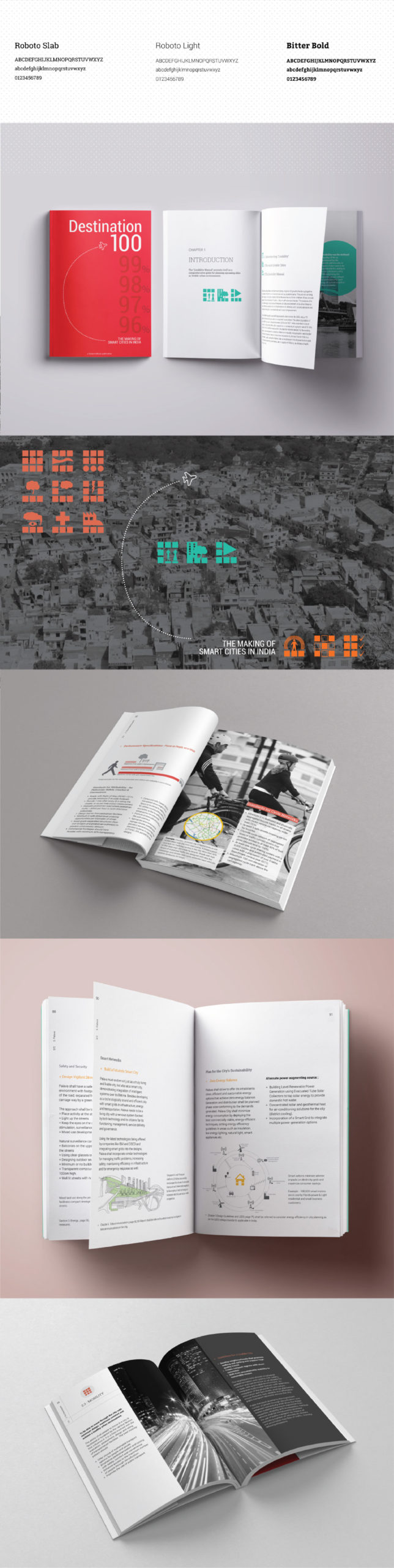
When Future Institute commissioned Wishbox Studio to handle the publication design for Destination 100, the central challenge was clear: the document contained a significant volume of data, comparative analysis and policy guidelines. Presenting this content in a way that was genuinely readable, and that made the relationships between data points visible and meaningful, required a design approach built around information architecture as much as visual aesthetics.
This is exactly where marketing collateral design for research publications diverges from more conventional editorial work. The goal is not simply to make the pages look attractive. It is to make complex information comprehensible at a glance while preserving the depth that specialist readers require.
The Role of Infographics
Wishbox’s solution centred on the considered use of infographics as the primary vehicle for data communication. Infographic design in this context is a discipline in itself. It requires a thorough understanding of the data being represented, a clear sense of what each visual needs to communicate and the design skill to translate statistical information into forms that are both accurate and immediately legible.
For Destination 100, infographics served as the bridge between raw research and readable insight. City comparisons, livability metrics, policy outcomes and urban planning frameworks were rendered in visual formats that allowed readers to absorb and compare information quickly, without sacrificing the rigour that makes the research credible.
Who This Is For
The audience for Destination 100 spans geography and seniority. Urban planners in Indian cities grappling with rapid growth. Policymakers benchmarking their decisions against global best practice. Academic researchers mapping the field. All of these readers engage with data differently and the publication design needed to serve each of them, offering clear entry points for the browser and sufficient depth for the specialist.
The Wider Impact
A well-designed research publication does more than disseminate findings. It positions its publisher as a credible voice in the field and ensures that important ideas reach the people who can act on them. For Future Institute, Destination 100 represents the culmination of serious research on urban livability. Wishbox’s publication and corporate communication design ensured that this work was presented with the clarity and visual authority it deserved.
Big ambition. Small brand presence?
Let’s design the strategic positioning that attracts the right opportunities.